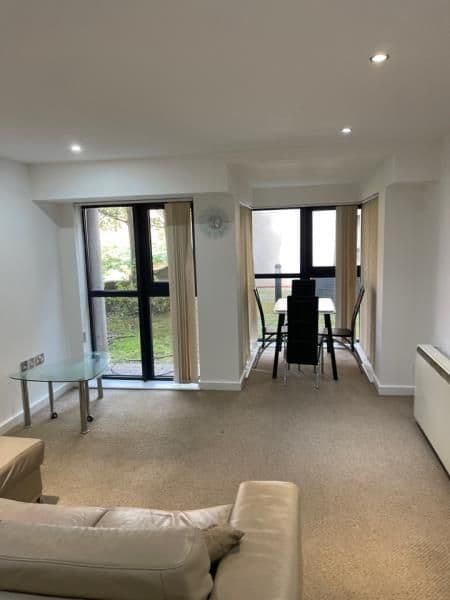
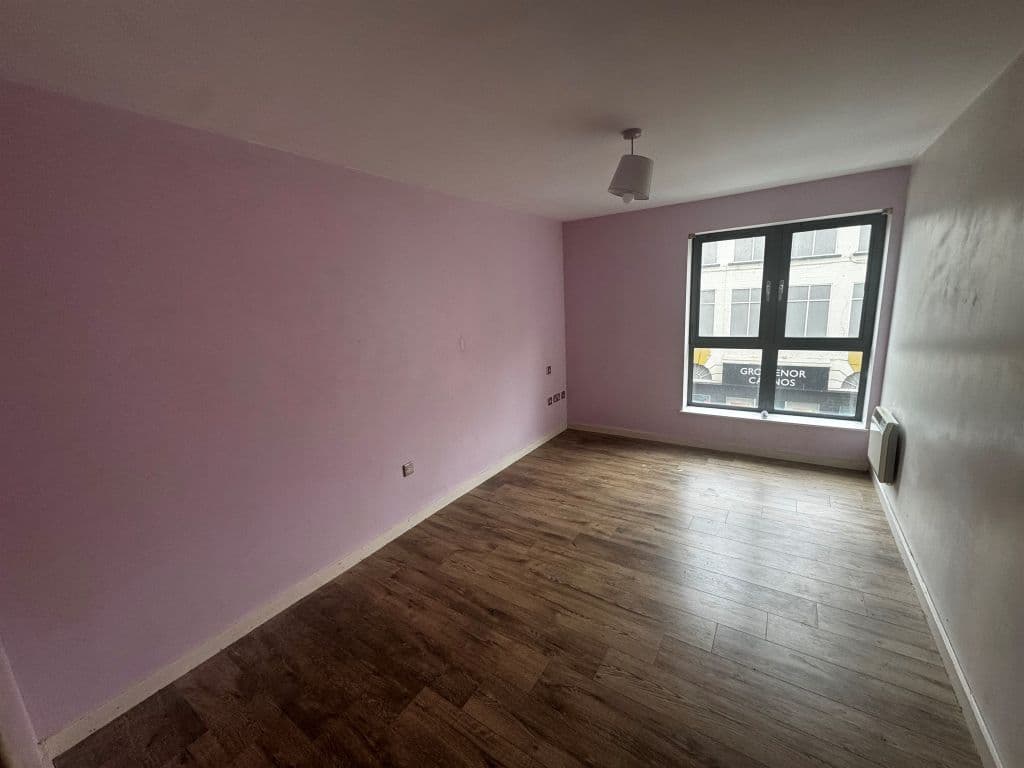
BRRR (sometimes BRRRR, for "Repeat") is the most popular advanced strategy among UK property investors because, executed well, it recycles capital: most of the initial cash comes back out at refinance and can fund the next purchase, while the property stays in the portfolio producing rent. The strategy's whole engine is buying below market value and adding genuine, valuer-visible improvement — neither step optional.
The four steps
- Buy at a meaningful discount to the after-refurbishment value (ARV). The working rule of thumb is an all-in cost — purchase, refurbishment, finance, and fees — at or below 75% of the ARV, because 75% is the loan-to-value most BTL lenders will refinance at.
- Refurbish to a lettable standard, typically over 8–16 weeks. The works need to move the valuation, not just the photographs: kitchens, bathrooms, heating, windows, layout, and energy performance are what surveyors credit.
- Refinance onto a buy-to-let mortgage at the new value, normally 75% LTV, repaying any bridging finance and returning capital.
- Rent to a long-term tenant, with rent covering the new mortgage with the same interest-cover headroom any BTL needs (typically 125–145% at a stressed rate).
The numbers
A worked example. Purchase at £185,000 with £42,000 of refurbishment and roughly £13,000 of finance and transaction costs (including the 5% SDLT surcharge) gives an all-in cost of £240,000. Comparable evidence supports a post-works value of £278,500.
- Refinance at 75% LTV = £208,875 released.
- Money left in = £240,000 − £208,875 ≈ £31,000.
- If the property lets at £1,400 a month, net cash flow after interest, management, maintenance, and voids lands around £620 a month — roughly a 24% cash-on-cash return on the capital still in the deal.
The same property bought without the discount would trap the full £71,000 gap. BRRR returns are made at purchase, evidenced at valuation, and merely collected at refinance.
Financing
Most BRRR projects start on bridging finance or cash, because properties needing work often fail standard mortgage criteria. Bridging in the current market typically prices around 0.65–0.95% per month at up to 75% LTV — manageable over a 4-month refurb, corrosive over a 12-month overrun. The exit is a standard BTL remortgage, so everything that applies to BTL underwriting (deposit equivalents, ICR stress tests, Section 24 for individual borrowers) applies here from month one.
Regulation and risk
The refurbishment stage interacts with a rising regulatory floor: works are the natural moment to lift a property's EPC toward the confirmed 2030 minimum of C, and packs flag where the uplift is achievable within the works budget. The risks concentrate in three places — refurbishment overruns, conservative end valuations, and bridging interest accruing while either of the first two unfolds. None is exotic; all are quantifiable in advance.
Who it suits, and common pitfalls
BRRR suits investors who already understand BTL and want their capital to do more than one job, and who can manage (or pay for) a building project. The recurring pitfalls: treating optimistic GDV as fact, starting works without the refinance exit agreed in principle, and running cosmetic refurbishments that valuers decline to credit.
Where Elaman packs help
Every BRRR-flagged pack includes the post-refurb comparables behind our GDV estimate, a line-item scope of works, our assumed lender LTV and dated interest rate, and a lender appendix mapping the deal to refurb-friendly UK BTL criteria. The research is ours; the decisions and contracts are the investor's.